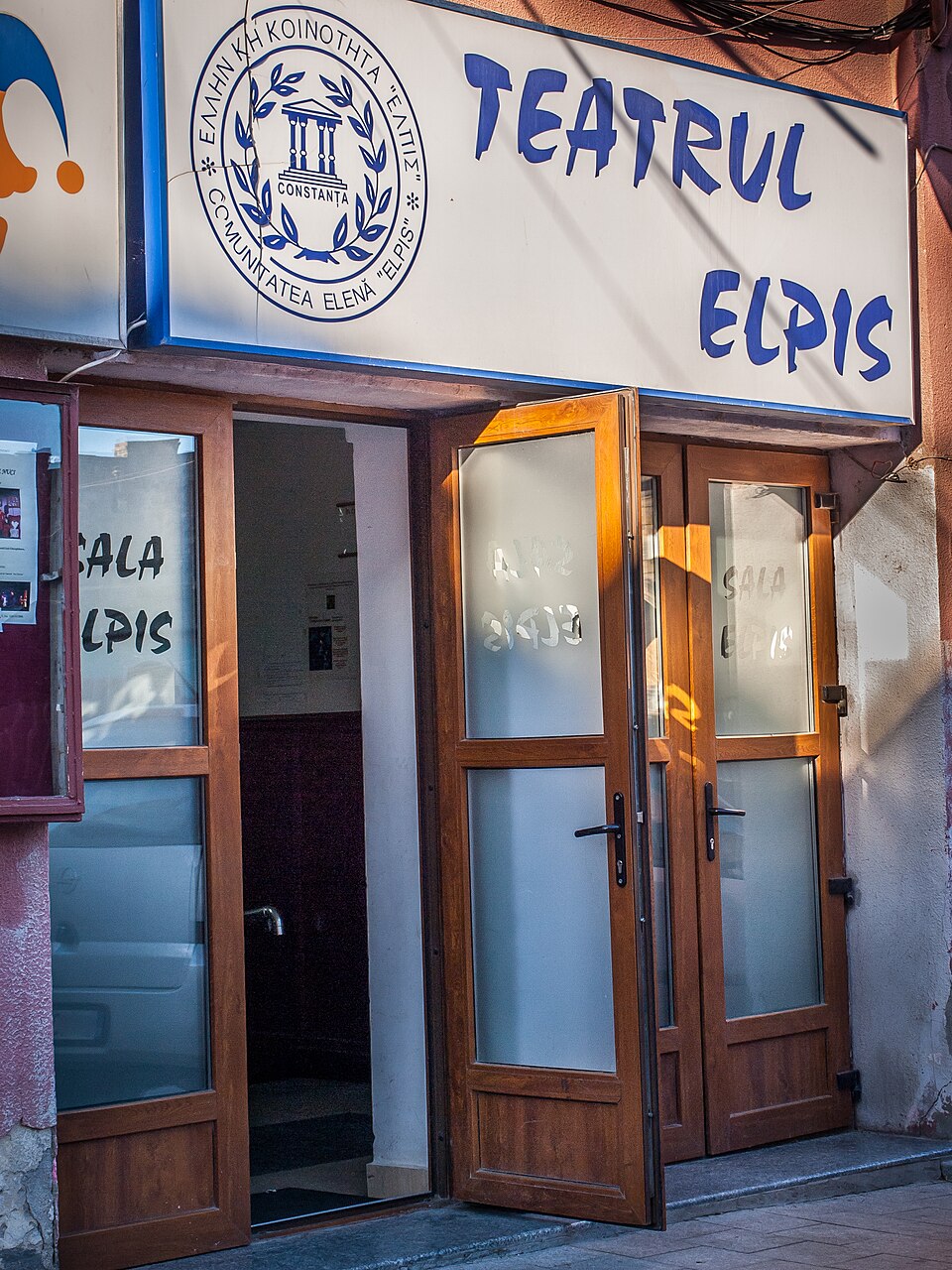
Elpis Theater Constanța: A Greek Legacy Transformed into a Cultural Beacon
In the vibrant heart of Constanța, a city steeped in history and coastal charm, stands a testament to enduring cultural ambition: the Elpis Theater. More than just a building, this magnificent structure, originally constructed in 1898, embodies a rich Greek legacy and has evolved through various eras to remain a pivotal cultural hub. Often celebrated as one of the most representative landmarks of Constanța's cultural memory, the Elpis Theater offers a captivating journey through time, performance, and community spirit. For anyone exploring the performing arts scene in Constanța, understanding the Elpis Theater’s past and present is essential.
A Grand Beginning: The Greek Legacy of Elpis (1898-WWI)
Birth of a Cultural Icon
The story of Elpis Theater begins even before its physical construction. On September 24, 1890, the "Elpis" society was founded with a noble purpose: to strengthen the ties among the Greek citizens of the burgeoning seashore city, offer material aid to the Greek school of Constanța, and extend help to those in need, regardless of nationality, race, or religion. This spirit of community and philanthropy laid the groundwork for a grand vision.
The realization of this vision came in the form of the magnificent Elpis Room, the fruit of the ingenious ideas of French architect Louis Piver. Its construction was a significant financial endeavor, made possible through the collective effort and generosity of Constanța's thriving Greek community. When its doors grandly opened on Christmas Day in 1898, Elpis, with an impressive capacity of 600 seats, was immediately recognized as the most elegant concert and festivity room in the entire Dobrogea region. It quickly became the premier destination for cultural events, social gatherings, and a focal point for the city’s elite.
Architectural Splendor and Design
The architectural brilliance of Elpis Theater is what truly set it apart. Designed to evoke Hellenic neoclassicism, which elegantly mimicked ancient columns, the building boasted a ground floor with three distinct entrances. The main entrance was crowned by a striking rectangular box, adorned with other sophisticated geometric shapes. The doors and windows were artfully separated by narrow-bodied pilasters, lending a classical yet refined aesthetic to the façade. This attention to detail ensured the building was not merely functional but also a work of art, a designated historic monument category B with code LMI: CT -II- m – B -02814.
Stepping inside, visitors were enveloped in an atmosphere of unparalleled luxury. The flooring was crafted from the highest quality wood parquet, gleaming under the light, while the walls of the hall were sumptuously decorated with huge Venetian mirrors, reflecting the grandeur and amplifying the sense of space. The lodges and the balcony of the performance hall offered generous space, allowing patrons to enjoy shows in comfort, their seats dressed in exquisite silk, a testament to the opulence characteristic of the era. The address, Aristide Karatzali Street, no. 16, became synonymous with cultural excellence in Constanța.
Evolution Through Eras: War, Modernization, and Artistic Zenith (WWI-WWII)
Post-WWI Transformations
Like many historic landmarks, the Elpis building experienced significant transformations in the wake of the First World War. The early 20th century brought not only shifting political landscapes but also evolving societal norms, which were reflected in architectural changes. A new wing was added, expanding its footprint, and its facade underwent a notable modification, now featuring four simple, stately columns on its western side. This subtle shift moved it towards a more streamlined, though still classical, aesthetic.
Internally, the concept of "democratization of public life" influenced structural alterations. The once exclusive lodges, symbols of social hierarchy, were removed, and the entire room was unified with similar seating. This change aimed to create a more inclusive environment, where the theatrical experience was accessible to a broader audience, aligning with the progressive ideals of the time. While some might lament the loss of the original opulence, these modifications were reflective of a society striving for greater equality in public spaces.
A Stage for Legends
Despite these changes, Elpis Hall continued to thrive as a premier cultural venue, drawing in some of the most important names in Romanian culture throughout various eras of the city. The period between the World Wars marked a true zenith for the Elpis Theater Constanța. On February 8, 1916, during the peace years of WWI for Romania, the legendary violinist and composer George Enescu graced its stage with a memorable concert. When he returned in 1920, Enescu was met with thunderous ovations and exceptionally favorable chronicles, solidifying the theater’s reputation as a venue of choice for the nation's artistic elite.
Elpis Hall also played host to other greatest Romanian artists of the first decades of the 20th century, including the esteemed actor Constantin Nottara, the comedic genius Constantin Tănase, and the beloved operetta star Nae Leonard. Imagine the talent that resonated within those walls! Adding to its pioneering spirit, at the turn of the centuries, Elpis hosted the very first cinema shows in the history of Constanța, merely several years after the Lumière brothers unveiled their invention to the world. This made the theater a true innovator, not just for live performances but also for embracing new technologies that would revolutionize entertainment.
Phoenix from the Ashes: Challenges and Rebirth (Post-WWII to Present)
A Period of Decline and Adaptation
The lavish lifestyle and golden era of Elpis Hall began to diminish significantly after the Second World War. The political and social transformations brought about by the Soviet occupation had a profound impact on cultural institutions. From being the main hall of a municipal theater during the Soviet presence (until 1956), it then transitioned to housing the Puppet Theater and, from the same year, the Children and Youth Theater. This series of shifts unfortunately led to interior and exterior architectural transformations primarily "meant to give it as dull of an appearance as possible," reflecting a period where elaborate aesthetics were often suppressed in favor of functionality and a more austere public image.
This period of neglect and "dulling" might suggest a complete loss of its former glory, yet the spirit of the Elpis, much like a phoenix, refused to be extinguished. Despite challenges, the building continued to serve the community, albeit in different capacities, nurturing new generations of audiences and performers within its historic walls. The building's resilience ensured that even during its most challenging times, it remained a significant theater Constanța, fostering artistic expression.
The Modern Elpis: A Vibrant Cultural Hub
Today, the essence of the Elpis Theater lives on through the activities of the Theater for Children and Youth. While its grand capacity and original aesthetic have been altered, the spirit of performance and community engagement endures. The current State Theater in Constanța, encompassing various venues including potentially the former Elpis space, has truly risen from past challenges to become a beloved cultural hub. Visitors to a theater Constanța today can expect top-notch performances showcasing talented actors who pour their hearts into every role. Shows are designed to captivate and entertain, making it a must-visit destination for anyone looking to enjoy the arts in this vibrant city.
Feedback from visitors often evokes nostalgia, with its "unchanged ambiance reminiscent of past decades," despite some noting a "lack of investment and poor logistics" in certain areas. Yet, the cleanliness of the facilities is appreciated, and there's widespread praise for the "excellent plays and dedicated actors on stage." This reflects a community deeply committed to the arts, ensuring that the legacy of Elpis continues to thrive. The theater's current incarnation, focusing on children and youth, ensures that the next generation of Constanța residents grows up with access to quality theatrical experiences, continuing the tradition of cultural enrichment established over a century ago.
Visiting Elpis Theater: Tips for the Modern Explorer
Locating the Landmark
For those eager to discover this piece of Constanța's heritage, the Elpis Theater is located at Aristide Karatzali Street, no. 16. Its central location makes it relatively easy to access. Visitors can typically reach it via a short walk from Constanța's city center or by using local public transport. While its external facade has seen modifications, its historical significance and current role as a functioning theater Constanța make it a compelling stop.
What to Expect Today
When you visit the Elpis Theater today, prepare for a unique blend of history and contemporary performance, primarily catering to younger audiences. The Theater for Children and Youth regularly stages productions, offering a delightful experience for families. While you might not see the silk seats or Venetian mirrors of its 1898 opening, you will witness the passion of dedicated performers and the joy of an engaged audience. Take a moment to appreciate the building's historical layers, imagining the luminaries who once graced its stage and the diverse audiences it has served throughout the decades. Checking the current schedule for the Theater for Children and Youth will help you plan your visit to catch an upcoming show.
Supporting Constanța's Arts Scene
Attending a performance at the Elpis Theater, or any theater Constanța, is more than just entertainment; it's an act of supporting the city's rich cultural life and preserving its heritage. By witnessing a play, you contribute to the ongoing story of a venue that has defied time and political shifts. For a broader view of Constanța's vibrant theatrical landscape, you might want to explore Discover Constanța's State Theater: Top Shows & Rich History and delve deeper into Constanța's Theatrical Gems: Elpis History & State Theater Arts.
Conclusion
The Elpis Theater Constanța stands as a remarkable emblem of resilience and cultural continuity. From its inception as a luxurious Greek landmark in 1898, designed to foster community and celebrate art, to its various transformations through periods of war and political change, it has consistently adapted to serve its city. Today, as the home of the Theater for Children and Youth, it continues to inspire and entertain new generations, embodying the spirit of a Phoenix rising. Its story is a vivid reminder of Constanța's deep-rooted cultural identity and the enduring power of a single building to reflect and shape a city's history. A visit to this historic theater Constanța offers not just a show, but a journey through over a century of artistic legacy.